

Forging, as a process, is widely known for enhancing the strength and durability of metal components. While it plays a crucial role in sectors like automotive, aerospace, construction, and defense, its environmental implications are often overlooked. The environmental effects of forging are significant, both in the short term and the long term, impacting air quality, water resources, soil, and even human health. Understanding these effects is vital for industries and governments looking to balance industrial growth with environmental sustainability.

Air Pollution and Emissions
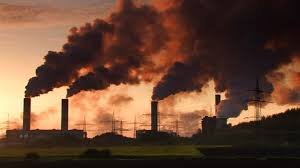
One of the most serious environmental problems caused by forging is air pollution. Forging is a process where metal is heated and shaped into useful parts, like car parts, tools, and machine components. To make the metal soft enough to shape, it must be heated to very high temperatures—often over 1,000 degrees Celsius, especially in hot forging. This heating is usually done in large furnaces that are powered by coal, natural gas, or electricity. In many parts of the world, especially in developing countries like India and China, coal is still the most commonly used fuel because it is cheap and widely available.
However, burning coal and other fuels releases large amounts of harmful gases into the air. These include carbon dioxide (CO₂), methane (CH₄), and nitrous oxide (N₂O). These gases are known as greenhouse gases because they trap heat in the Earth’s atmosphere. This leads to global warming and climate change, which are causing rising sea levels, extreme weather, and other long-term problems for the planet.
In addition to greenhouse gases, forging also produces air pollutants such as particulate matter (PM)—tiny particles that float in the air and can enter our lungs when we breathe. Other dangerous chemicals, like sulfur dioxide (SO₂) and nitrogen oxides (NOx), are also released during the heating process. These pollutants can cause smog in cities, acid rain, and serious health problems, especially for people living near forging factories. Breathing in these pollutants regularly can lead to issues like asthma, lung infections, and other respiratory diseases.
Workers in forging plants are also directly exposed to these harmful conditions. They often work in very hot environments with poor ventilation. If proper safety gear, such as masks and air filters, is not used, these workers can suffer from long-term health issues, including lung damage and heat-related illnesses. In some small or unregulated factories, workers may not even have access to basic protective equipment, making the situation worse.
To reduce these impacts, it is important for forging companies to use cleaner fuels, improve ventilation, install pollution control systems, and ensure worker safety. Governments also need to set and enforce environmental rules to protect both people and the planet.
Water Pollution and Wastewater Generation
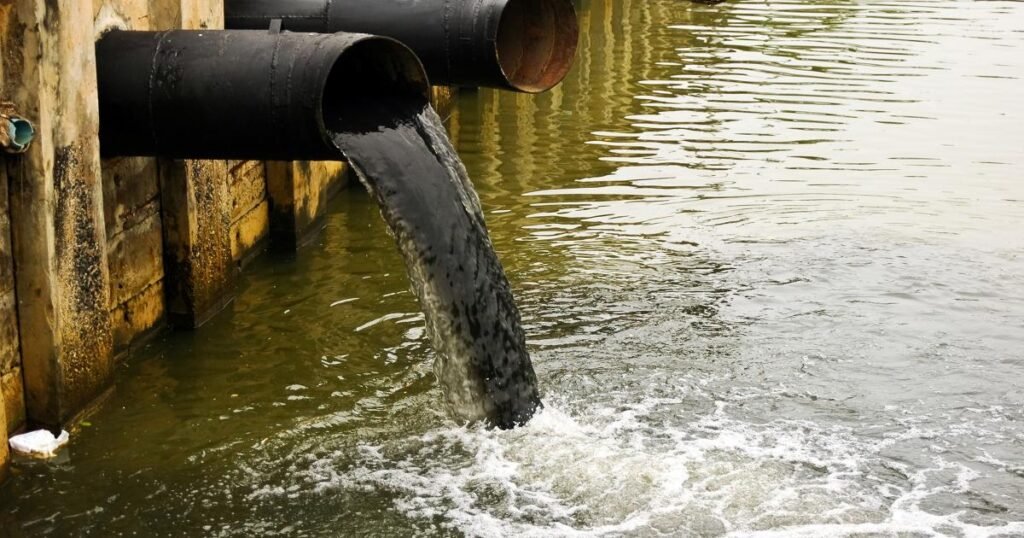
Water plays an important role in the forging industry. It is mainly used for cooling hot metal parts, cleaning tools and surfaces, and sometimes even for lubrication during the forging process. However, once water is used in these ways, it often becomes dirty or contaminated. This used water, called industrial wastewater, can carry many harmful substances, including metal particles, oil, grease, and chemicals from lubricants or cleaning agents.
If this dirty water is not cleaned or treated properly before being thrown away, it can be very harmful to the environment. In many places, especially in developing countries, this wastewater is often discharged directly into rivers, lakes, or the ground. When this happens, it can pollute natural water sources. For example, small bits of heavy metals like lead, zinc, or chromium—which are sometimes found in the metals used for forging—can wash into rivers and streams. These heavy metals are toxic to fish and other animals that live in the water. Over time, they can build up in the bodies of fish and then move up the food chain, eventually reaching humans who eat those fish.
This kind of water pollution is a big concern in areas that lack strict environmental laws or where wastewater treatment systems are not available. This is often the case in parts of South and Southeast Asia, where many forging and metal industries are located near rivers. These rivers are sometimes the same ones used by local people for drinking water, bathing, or irrigating crops. When polluted water enters these rivers, it doesn’t just harm fish—it can also make people sick. Long-term exposure to contaminated water can cause serious health problems, including stomach issues, nerve damage, or even cancer in extreme cases.
In order to protect people and the environment, it’s very important for forging factories to treat their wastewater properly before releasing it. Governments should also make and enforce strong rules to prevent water pollution. Installing filtration systems, recycling water, and using safer chemicals can help reduce the damage. By taking these steps, the industry can continue to grow without harming rivers, wildlife, and nearby communities.
Soil Contamination and Solid Waste
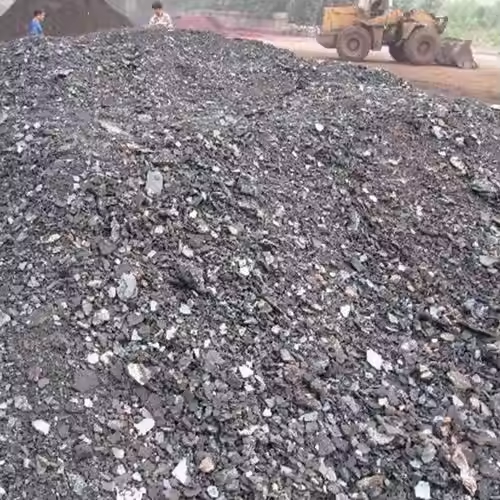
Soil contamination is a big problem caused by the forging industry. During forging, different types of waste are produced, including slag, metal scraps, and scale. Scale is the flaky layer of rust or oxidized metal that forms when metal is heated. These wastes come from the forging process and can be harmful if they are not handled carefully. When slag, metal scraps, or scale are thrown away improperly, harmful chemicals and heavy metals can slowly seep into the soil. This process is called leaching. Once the soil is contaminated, it becomes dangerous for plants, animals, and people. The land may no longer be safe for farming or even living on because toxic substances have made it unhealthy.
Besides these metal wastes, forging also uses many chemicals for lubrication and surface treatment. These chemicals help make the forging process smoother but can be dangerous if they leak or spill onto the ground. Even small spills can contaminate large areas of soil and water. These chemicals can kill beneficial microbes in the soil and harm plants and animals that rely on the soil for food and shelter.
In addition to toxic wastes, forging creates a lot of non-toxic waste that doesn’t break down naturally. This includes things like used dies (molds used to shape metal), refractory bricks (special bricks used to line furnaces that can handle high heat), and worn-out furnace linings. These materials don’t rot or disappear over time, so they take up space in landfills. If the waste is not managed properly, it piles up and causes long-lasting damage to the land. Over time, this can lead to land degradation, where soil becomes less fertile and less able to support plants, animals, or human activities.
Proper waste management is very important in the forging industry. Recycling metal scraps, safely disposing of hazardous chemicals, and reusing or recycling non-toxic materials can reduce soil pollution. Many forging factories today are starting to follow better environmental practices to prevent soil contamination.
Governments and environmental organizations also play a key role. By creating laws that require proper disposal and recycling, and by monitoring industrial sites, they can help protect the soil and make sure the forging industry grows without hurting the land.
Noise Pollution
Noise pollution from forging plants is an important but often overlooked problem. Forging uses big machines like presses, hammers, and furnaces that make very loud noises. These sounds can be much louder than what is safe for our ears. When workers spend long hours near these machines without proper protection, their hearing can get damaged over time. Hearing loss and ringing in the ears are common problems for people working in noisy forging plants.
But noise pollution does not only affect workers inside the factories. People living near forging plants can also suffer. Loud noise can disturb their daily lives, making it hard to concentrate, relax, or sleep well at night. Constant noise can increase stress and cause headaches, and over time, it can even affect people’s mental health.
This problem is especially serious in countries like India and China, where many forging factories are located close to homes and neighborhoods. In these places, factories and houses often sit side by side because of rapid industrial growth and population increase. This means that many families live close to noisy forging plants and have to deal with the noise every day. The noise pollution reduces their quality of life and can even affect children’s learning and development if they cannot concentrate because of the constant loud sounds.
In richer, more developed countries like the USA and much of Europe, there are laws called noise ordinances that limit how much noise factories can make. There are also zoning laws that keep heavy industries away from residential areas. These laws help protect people from too much noise. However, in many developing countries, these rules are either missing or not properly enforced. This means that noisy factories grow without control, often in places where many people live.
To reduce noise pollution, forging plants can take several steps. They can use soundproof barriers, keep machines well-maintained to reduce noise, and provide workers with ear protection like headphones or earplugs. Governments should also create and enforce rules to keep noisy factories away from homes and schools.
By addressing noise pollution, forging industries can improve working conditions and protect nearby communities, making life healthier and more comfortable for everyone.
You can clearly hear the sound made by forging machines while they are working in the videos below. However, the sound in the videos is actually quieter than what it sounds like in real life. In reality, the noise is much louder. Not only is the sound powerful, but the force of the machines is so strong that it can even make the ground or nearby surfaces shake.
Greenhouse Gas Emissions and Climate Change
Forging contributes to climate change mainly because it uses a lot of energy, which often comes from burning fossil fuels like coal, natural gas, or oil. These fuels produce carbon dioxide (CO₂), a greenhouse gas that traps heat in the atmosphere and causes global warming. In many forging plants, the amount of CO₂ released can be as high as what is produced by a power plant of similar size.
This problem is especially big in countries like China and India. These countries have many small and medium-sized forging factories that often use older, less efficient machines. Because these machines use more energy for the same work, they release more CO₂. This makes forging in these regions a significant contributor to air pollution and climate change.
The International Energy Agency (IEA) reports that the entire steel industry, which includes forging, is responsible for about 7 to 9 percent of the world’s total CO₂ emissions. Forging is one of the most energy-heavy methods used to shape metal, so it plays a large role in this pollution.
If the world keeps producing this much CO₂ and other greenhouse gases, the planet will continue to warm. Rising temperatures cause many problems, such as more frequent and severe floods, droughts, and heatwaves. These extreme weather events harm people’s lives, damage crops, and upset natural ecosystems. For example, droughts can reduce water supplies for drinking and farming, while floods can destroy homes and infrastructure.
Because forging uses so much energy, finding ways to reduce its emissions is very important. This can include using cleaner energy sources like electricity from wind or solar power, improving the efficiency of machines, and recycling metal more often to save energy.
Governments, companies, and researchers are all working on solutions to reduce the climate impact of forging and the wider steel industry. Taking action now is essential to protect the environment, human health, and the planet’s future.
Energy Consumption and Resource Depletion
Forging is a metalworking process that uses a lot of energy. Energy is needed not only to heat the metals to very high temperatures but also to run the heavy machines like presses and hammers that shape the metal. Besides these, forging plants use other equipment such as fans, pumps, and conveyor belts, which also consume electricity or fuel. Because of this, forging requires a large amount of power every day.
Most of this energy comes from non-renewable sources like coal, natural gas, and oil. These are fossil fuels that take millions of years to form and can run out one day. Using so much fossil fuel not only uses up these valuable resources but also causes pollution. Burning fossil fuels releases harmful gases like carbon dioxide (CO₂), which contribute to climate change and global warming.
Besides energy, forging depends on raw materials like iron, steel, aluminum, and titanium. These metals do not just appear naturally in their pure form. They must be mined from the earth, which means digging up large amounts of rock and soil. Mining causes environmental problems like deforestation (cutting down trees), disturbing wildlife habitats, and using large quantities of water. It also often leads to soil erosion and can pollute rivers and lakes nearby.
Once the raw metal ores are mined, they need to be processed and refined, which takes even more energy and water. This makes the whole forging supply chain very demanding on natural resources. The environmental cost of getting and preparing these metals adds up, affecting forests, rivers, and land where people and animals live.
With industries like automotive and aerospace growing rapidly worldwide, the demand for forged metal parts is increasing. Cars, airplanes, and many machines rely on strong forged components for safety and performance. As more people buy cars and planes, and as technology advances, the need for these forged parts will continue to rise.
This means the pressure on mining resources and energy will grow unless changes are made. To reduce this impact, the forging industry needs to explore new technologies. For example, using machines that consume less energy, switching to cleaner energy sources like solar or wind power, and improving recycling of metals can help. Recycling metal uses far less energy than mining new ore and helps save natural resources.
Scientists and engineers are also working on developing new materials that are lighter and stronger, which can reduce the amount of metal needed. Using these advanced materials can lower the demand for raw metals and reduce environmental damage.
In conclusion, forging plays a critical role in manufacturing but consumes large amounts of energy and resources. The heavy reliance on fossil fuels and mining causes serious environmental problems, including pollution, deforestation, and water use. As the global demand for forged parts grows, the industry must find ways to use energy and materials more efficiently and responsibly. By adopting cleaner technologies and promoting recycling, forging can reduce its environmental footprint while continuing to support important industries.
Health Impacts on Workers and Nearby Residents
The environmental effects of forging do not only harm nature—they also directly affect human health. People who work in forging plants often face many health risks because of the conditions in their workplaces. Forging involves heating metals to very high temperatures, which creates fumes and dust that can be harmful if inhaled. Workers breathe in these tiny particles and harmful gases every day, which increases their chances of getting lung problems like asthma, bronchitis, or other serious respiratory diseases.
Besides the air pollution inside the plants, workers are also exposed to very loud noises from heavy machines like hammers and presses. Prolonged exposure to this noise without proper ear protection can lead to hearing loss or tinnitus, which is a constant ringing in the ears. The heat inside forging plants can be intense, sometimes causing workers to suffer from heat exhaustion or heatstroke, especially if they do not have enough breaks or water. Additionally, working with metals and chemicals can cause skin problems like rashes, burns, or allergic reactions if proper safety measures are not followed.
All these health risks can be made worse if workers do not use personal protective equipment (PPE) such as masks, gloves, earplugs, and protective clothing. Proper industrial hygiene practices, like good ventilation and regular cleaning, are also essential to reduce exposure to dangerous substances. Unfortunately, in many forging factories, especially in developing countries, these safety measures are not always available or enforced, which puts workers’ health at great risk.
The harmful effects of forging are not limited to workers inside the plants. People living near forging factories can also suffer from pollution. When factories release polluted air and untreated wastewater into the environment, nearby communities are exposed to harmful substances. This pollution can cause a variety of health problems, including asthma, heart diseases, and other chronic illnesses. Children and elderly people are particularly vulnerable because their bodies are less able to cope with pollution.
In places where forging is a major industry, such as Ludhiana in India or Shandong in China, studies have shown that pollution from forging plants is linked to higher rates of health complaints among local residents. People in these areas often report breathing difficulties, skin problems, and other health issues more frequently than people living farther away from industrial zones.
This situation shows that the environmental impact of forging is closely connected to the health of both workers and local communities. Protecting human health means improving working conditions, enforcing environmental regulations, and ensuring factories treat their waste properly. It also means making sure that workers have access to protective gear and that communities have clean air and water.
In summary, forging can affect human health in many serious ways. Reducing pollution from forging plants and improving safety measures is crucial for protecting the people who work in this industry and the communities around it.

Biodiversity Loss and Habitat Disruption
When forging factories are built, they often require clearing land to make space for the buildings and machines. This means cutting down trees and removing plants that were once home to many animals and insects. When their natural homes are destroyed, these plants and animals lose their shelter and food sources. As a result, many species have to move to new places, and some may not survive if they cannot find a suitable habitat. This loss of habitat is a serious problem for wildlife and biodiversity.
But the impact of forging on nature goes beyond just clearing land. The pollution that comes from forging factories—such as smoke from burning fuel, dirty water discharged from the plants, and solid waste left behind—can harm the environment in many ways. For example, when polluted water from forging factories is released into rivers, lakes, or ponds, it can make the water harmful for fish and other aquatic creatures. Chemicals and heavy metals in the wastewater can poison these animals, reduce their numbers, and even stop plants like algae and water weeds from growing properly. This damage to water ecosystems affects the entire food chain and reduces biodiversity.
Soil near forging plants can also become polluted from waste materials like metal scraps, chemicals, and slag (a waste product from melting metal). When soil becomes contaminated, it may lose the ability to support healthy plants. This affects not only wild plants but also farms and gardens nearby. Contaminated soil can also harm insects, worms, and other small creatures that live in the ground and help keep the ecosystem balanced.
All these environmental problems can create a chain reaction. When plants and animals lose their homes or food sources, they may have to leave the area or may even die out completely. This can reduce the number of different species living in an area, a process known as loss of biodiversity. Healthy ecosystems rely on many different plants and animals living together, so when some species disappear, the whole system can become weaker and less stable.
This problem is especially serious as forging industries grow in new areas. In many developing countries, forging plants are expanding quickly, but sometimes without careful planning or full checks on the environmental impact. Without proper environmental assessments, fragile natural areas like forests, wetlands, or rivers can be damaged or destroyed.
It is important for governments and companies to study the environment carefully before allowing forging factories to be built. They should try to avoid clearing important natural habitats and take steps to reduce pollution. Using cleaner technology, recycling water, and managing waste responsibly can help protect ecosystems.
In conclusion, forging affects nature in many ways. It can destroy habitats, pollute water and soil, and harm the plants and animals living nearby. If not managed carefully, forging can cause lasting damage to the environment and reduce biodiversity. To protect our natural world, it is important to balance industrial growth with strong environmental care.
