
Infohub01.com

Casting

What is Casting, Definition, Process and Types

What is Casting? Casting is a manufacturing process used to make parts by pouring a liquid material, usually metal, into a mold shaped like the final product. Once the material cools and hardens, it takes on the exact shape of the mold. The solid piece, known as a casting, is then removed and may be cleaned or finished to improve its appearance and performance. This method is especially useful for creating complex or detailed shapes that would be difficult or too costly to make using other manufacturing techniques. Casting is a basic but important process that has been used for thousands of years and continues to be widely used today due to its flexibility and cost-effectiveness. The process starts by making a model of the desired object, called a pattern. This pattern is used to form a mold, which is a hollow space in the shape of the final product. Molds can be made from materials like sand, metal, or ceramic, depending on the type of casting being done. After the mold is ready, the chosen material is melted and poured into the mold cavity. As the liquid material cools, it solidifies and takes the shape of the mold. The mold is then removed, and the casting may go through extra steps like trimming, polishing, or machining to meet specific requirements. Casting is widely used in industries such as automotive, aerospace, construction, and machinery manufacturing. It’s ideal for producing parts like engine blocks, machine housings, pipes, and turbine blades. There are several casting methods, including sand casting, die casting, investment casting, and centrifugal casting, each suited to different needs. Why Casting is used ? Another key benefit of casting is its ability to produce large and heavy components such as engine blocks, machine frames, and industrial machinery parts. These types of products often need strong and durable materials like steel or iron, which are well-suited for casting processes. Casting is also highly adaptable, allowing manufacturers to produce anything from single, custom-made items to high-volume production runs, depending on the requirement. In addition to its size versatility, casting supports a broad range of materials. Metals such as aluminum, copper, bronze, and even some types of plastics can be used, giving manufacturers the flexibility to choose materials based on factors like strength, cost, and performance needs. Casting also offers production efficiency by reducing the need for extensive machining or assembly work, such as welding. Since the liquid material takes the exact shape of the mold, there is less waste and fewer additional processes required to finish the part. This not only saves time and labor but also makes casting a more economical and resource-efficient manufacturing method. How Casting is Done ? Casting is a commonly used manufacturing technique where a material, usually metal, is melted and poured into a mold that has the shape of the desired part. When the material cools and hardens, it takes the shape of the mold, creating the final product. The casting process involves several important steps, each of which plays a crucial role in producing accurate and quality parts. 1. Pattern MakingThe first step is to create a pattern, which is an exact replica of the part to be made. This pattern is used to shape the mold cavity. Patterns can be made from materials such as wood, plastic, metal, or wax, depending on the casting method and the level of detail required. Sometimes the pattern is made in multiple pieces to make removing it from the mold easier. It’s also designed to account for metal shrinkage and machining allowances so the finished part meets the required dimensions. 2. Mold MakingNext, the pattern is used to form the mold. The mold contains a hollow cavity shaped exactly like the final product. There are various types of molds, including sand molds (most common and inexpensive), metal molds (used in die casting), and ceramic molds (used in investment casting). The mold also has channels—called the sprue, runners, and gates—that allow molten metal to flow smoothly into the cavity. 3. Melting the MaterialThe metal or other chosen material is melted in a furnace. The type of furnace depends on the metal and production scale. It’s important to heat the metal to the correct temperature so it flows well and fills every detail of the mold. Any impurities are usually removed during this stage to ensure a good-quality casting. 4. PouringOnce molten, the metal is poured carefully into the mold through the sprue. It travels through the runners and gates into the mold cavity. Careful pouring is essential to avoid defects like air bubbles, splashing, or incomplete filling, which could weaken or deform the final product. 5. Cooling and SolidificationAfter pouring, the molten metal cools inside the mold and solidifies. The cooling time varies depending on the metal type and casting size. Proper cooling helps prevent cracks and surface defects and ensures the metal perfectly matches the mold shape. 6. Removing the CastingWhen the metal has fully hardened, the mold is opened or broken to remove the casting. For sand molds, the mold is broken apart, while permanent molds are opened and reused. The raw casting usually still has excess metal from the sprue or runners, which must be removed. 7. FinishingFinally, the casting undergoes finishing processes to improve its shape and surface. This can include trimming off excess material, grinding rough edges, machining for precise dimensions, and polishing or coating for better appearance and protection. After finishing, the part is ready for use or assembly. Overall, casting is a reliable, efficient process capable of producing a wide range of metal parts—from small, detailed pieces to large, heavy components—making it essential in many industries. Applications of Casting in Manufacturing Casting is widely used across various industries to create parts of different sizes and complexities. Common uses include: Automotive: Making engine blocks, cylinder heads, transmission cases, and brake drums. Aerospace: Producing turbine blades, engine components, and structural parts. Construction: Manufacturing pipes, valves, pumps, and heavy equipment bases. Machinery: Creating machine

What is Casting, Definition, Process and Types Read Post »
Machining

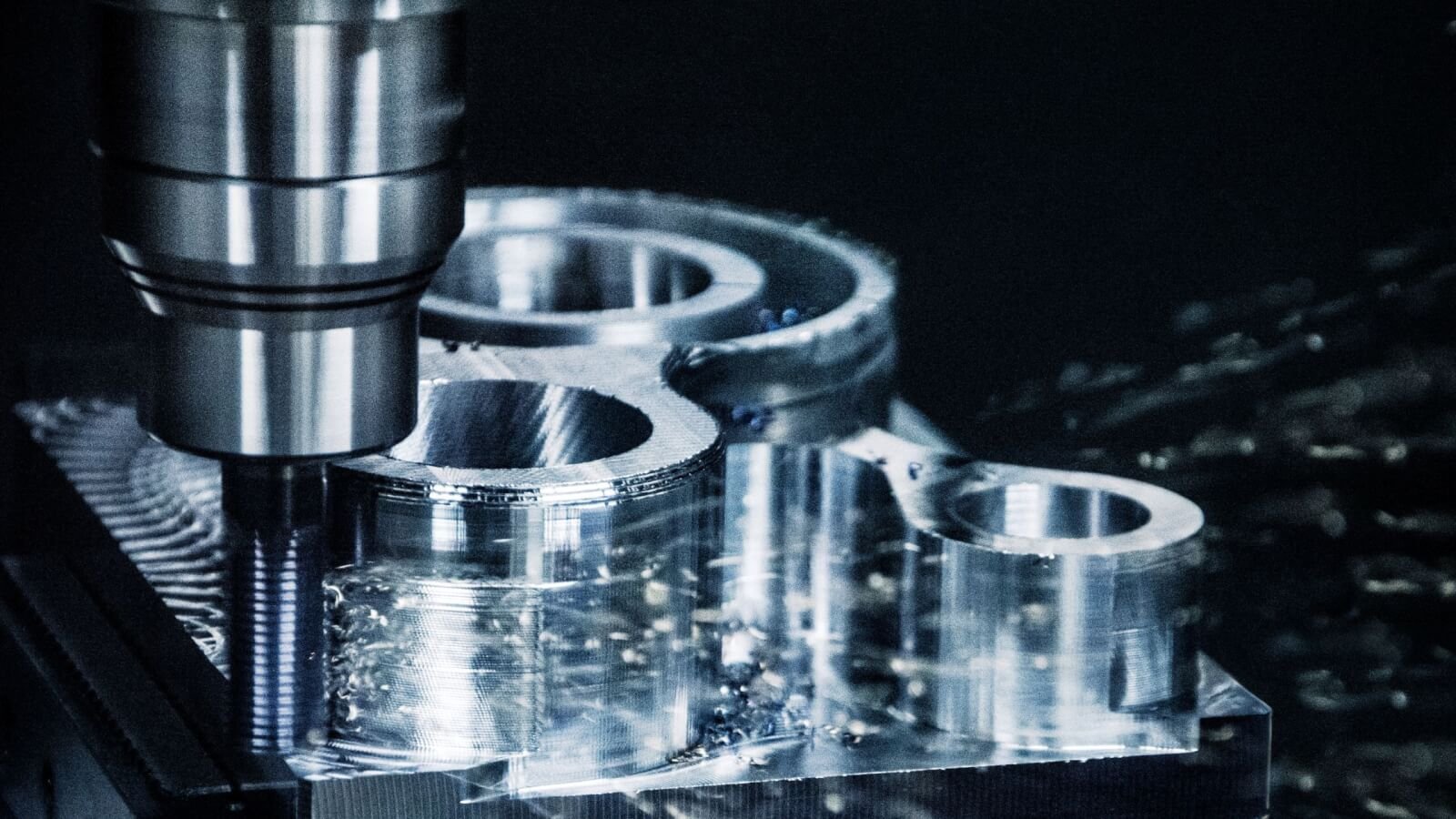
Machining and Types of Machining.

What is Machining? Machining is a manufacturing technique that shapes a workpiece by cutting away excess material using various tools. As a subtractive process, it removes material rather than adding it. This method is commonly employed in industries such as aerospace, automotive, and medical device production due to its precision and versatility. Types of Machining Turning Milling Drilling Grinding Boring Broaching Sawing Electrical Discharge Machining (EDM) Waterjet Cutting Laser Cutting Planing Shaping Honing Lapping Reaming Knurling Ultrasonic Machining (USM) Chemical Machining (CHM) Plasma Arc Machining (PAM) Electron Beam Machining (EBM) Ion Beam Machining (IBM) Cryogenic Machining  Know more                                                                                           Turning Turning is a fundamental machining process in which a cutting tool removes material from the surface of a rotating workpiece to form cylindrical shapes. This subtractive process is typically carried out on a lathe, where the cutting tool moves in a straight path while the workpiece spins. Types of Turning Straight TurningRemoves material along the length of the workpiece to produce a uniform diameter. Taper TurningForms a conical shape by gradually reducing the diameter along the length. ProfilingCreates curved or complex external contours on the workpiece. FacingFlattens the end of the workpiece by cutting across its face. Parting (Cut-off)Separates a section of the workpiece by cutting completely through it. GroovingCuts narrow channels or recesses into the outer surface. Thread CuttingProduces helical grooves (threads), commonly used for screws and bolts. BoringEnlarges existing holes with high accuracy and surface finish. Drilling (on a lathe)Uses a stationary drill bit to bore into the center of a rotating workpiece. Applications of Turning Turning is widely used across various industries to manufacture: General Parts: Shafts, bushings, bolts, nuts, pistons Automotive: Engine components, drive shafts, axles Aerospace: Hydraulic rods, fasteners, precision connectors Medical: Orthopedic implants, surgical instruments Industrial: Tooling components, spindles, machine parts Machines Used in Turning Engine LatheManually controlled, versatile for general machining tasks. Turret LatheAllows for quick tool changes and is suitable for batch production. CNC Lathe (Computer Numerical Control)Automated and programmable, ideal for high precision and complex, repetitive tasks. Capstan LatheSimilar to a turret lathe, used for medium-volume work. Bench LatheSmall and compact, used for light-duty tasks and educational purposes. Advantages of Turning High precision and dimensional consistency (especially with CNC) Excellent surface finish quality Adaptable to a variety of shapes and sizes Compatible with many materials including metals, plastics, and composites Straightforward setup and operation Disadvantages of Turning Only suitable for parts with rotational symmetry Generates material waste due to its subtractive nature Manual operation requires skilled machinists Inefficient for producing highly complex, non-cylindrical geometries CNC setups involve higher initial and tooling cost Milling Milling is a machining process that involves a rotating cutting tool removing material from a stationary or moving workpiece. As a subtractive manufacturing method, it is used to produce flat surfaces, slots, holes, and complex 3D shapes. The operation is typically performed on a milling machine, which allows movement along multiple axes (X, Y, and Z) to achieve the desired geometry. Types of Milling Face MillingPrimarily cuts with the end of the cutter, ideal for creating flat surfaces. Peripheral (Slab) MillingCutting occurs along the sides of the tool, used for machining large, flat surfaces parallel to the tool’s axis. End MillingUtilizes end mills for cutting slots, contours, and pockets—well-suited for complex 3D surfaces. Slot MillingInvolves cutting narrow grooves or channels using a slim cutter. Angular MillingPerforms cuts at specific angles to the horizontal plane, used for chamfers or angled surfaces. Form MillingEmploys specially shaped cutters to generate curved or irregular profiles. Gear MillingUses form tools to cut gear teeth profiles accurately. Straddle MillingTwo cutters operate simultaneously on opposite sides of a workpiece to machine two parallel surfaces. Gang MillingInvolves multiple cutters mounted on a single arbor to perform several cuts in one pass. Applications of Milling Milling is widely utilized in various industries for manufacturing components such as: Mechanical Parts: Brackets, housings, engine blocks Tooling Equipment: Molds, dies, jigs, fixtures Automotive Components: Transmission parts, cylinder heads Aerospace Structures: Wing elements, housings, precision fittings Electronics: Heat sinks, device enclosures Medical Devices: Prosthetics, surgical instruments, orthopedic implants Machines Used in Milling Vertical Milling MachineFeatures a vertical spindle; commonly used for face and end milling tasks. Horizontal Milling MachineHas a horizontal spindle, suited for slab and gang milling operations. Universal Milling MachineOffers both vertical and horizontal spindle orientations for enhanced versatility. CNC Milling MachineFully automated and programmable, capable of high-precision and complex multi-axis machining. Manual Milling MachineManually operated, ideal for small-scale projects and prototyping. Bed-Type Milling MachineProvides a fixed workpiece bed for improved stability, used for large or heavy parts. ✅ Advantages of Milling Capable of producing complex geometries and detailed features Supports a wide variety of materials, including metals, plastics, and composites Offers high precision and repeatability, especially with CNC machines Well-suited for flat surface machining, slots, and cavities Multi-axis movement allows for intricate 3D contouring ❌ Disadvantages of Milling Generates material waste due to its subtractive nature Involves more complex setup than simpler operations like turning Less efficient for purely cylindrical parts compared to turning Requires skilled operators or programmers, particularly for CNC systems High initial investment for CNC equipment and tooling Drilling Drilling is a machining process that uses a rotating drill bit to create round holes in a workpiece. As a subtractive method, it’s commonly used for preparing holes for fasteners, fluid flow, or further machining operations. Types of Drilling Standard Drilling – Produces straight, cylindrical holes. Center Drilling – Accurately starts holes to guide deeper drilling. Deep Hole Drilling – Used for holes with high depth-to-diameter ratios. Reaming – Enlarges and finishes existing holes with high precision. Counterboring – Creates a flat-bottom recess for bolt or screw heads. Countersinking – Produces a conical hole entry for flat-head screws. Spot Drilling – Marks

Machining and Types of Machining. Read Post »

Heat treatment

Heat Treatment

Heat treatment is a precise process that modifies the physical and sometimes chemical properties of materials, mainly metals and alloys, through controlled heating and cooling. The purpose is to achieve specific characteristics, such as greater hardness, improved strength, enhanced wear resistance, or increased ductility. This method is commonly applied across industries like automotive, aerospace, manufacturing, and toolmaking to boost the performance and durability of parts and components. Types of Heat Treatment : Normalizing Hardening Annealing Tempering Quenching Precipitation Hardening Austempering Carburizing Stress Relieving Normalizing Normalizing is a widely used heat treatment process primarily applied to steel and other ferrous metals to refine their microstructure and enhance mechanical properties such as ductility, toughness, and hardness. This heat treatment technique involves heating the metal above its critical temperature, holding it at that level to achieve structural uniformity, and then allowing it to cool naturally in still air. As a crucial heat treatment step, normalizing helps reduce internal stresses and creates a more uniform grain structure. By performing this heat treatment, the metal’s overall performance and reliability are significantly improved. Normalizing is an essential heat treatment method that prepares metals for further processing or final applications by optimizing their mechanical characteristics. Purpose:The main objective of normalizing is to produce a uniform and refined microstructure that improves the material’s mechanical properties, making it more ductile and resilient. Process Steps: Heating: The metal is heated to a temperature above its critical point, where significant changes in its internal structure begin to occur. Soaking: The metal is held at this temperature for a specific duration to allow the entire structure to homogenize. Cooling: It is then cooled in still air, leading to the transformation of the microstructure into a more refined and balanced form. Key Benefits: Increased Ductility and Toughness: Enhances the metal’s ability to deform under stress without fracturing. Better Machinability: The refined grain structure improves ease of machining and forming operations. Stress Relief: Helps eliminate internal stresses introduced during processes like welding, casting, or forging. Foundation for Further Treatment: Often used as a preliminary step before hardening, tempering, or other heat treatments. Applications:Normalizing is widely used across industries such as automotive, aerospace, construction, and general manufacturing, especially for steel components like shafts, gears, and structural parts. This process plays a crucial role in ensuring that metals meet the required standards for performance, safety, and durability in demanding applications. Hardening A Heat Treatment Process to Increase Strength and Hardness Hardening is a common heat treatment process used to increase the hardness and strength of metals, particularly steels, by altering their internal structure. This heat treatment involves heating the metal to a specific temperature above its critical point, followed by rapid cooling, typically through quenching in water, oil, or air. The rapid cooling during this heat treatment transforms the metal’s microstructure into martensite, a phase known for its hardness but also brittleness. As a vital heat treatment method, hardening significantly improves wear resistance and durability. Proper control of this heat treatment is essential to balance hardness and toughness in the final metal product. Detailed Explanation: Purpose:The main goal of hardening is to enhance a metal’s wear resistance and mechanical strength by forming a martensitic structure. However, this increased hardness often comes at the cost of reduced ductility and toughness. Process Steps: Heating:The metal is heated above its critical temperature, where its structure changes from ferrite (body-centered cubic) to austenite (face-centered cubic). The exact temperature depends on the type of metal and the desired properties. Quenching:Once austenitized, the metal is rapidly cooled—typically in water, oil, or sometimes air. This rapid cooling locks the high-temperature structure in place, preventing it from returning to its original form. Transformation:The rapid quenching causes the austenite to transform into martensite, a supersaturated, hard, and brittle structure. This change significantly increases hardness and strength. Post-Hardening – Tempering:Because martensite is extremely brittle, hardening is often followed by tempering. This involves reheating the metal to a lower temperature and then cooling it again, which helps reduce brittleness while maintaining much of the hardness, resulting in a more balanced combination of strength and toughness. Applications:Hardening is widely used in the manufacturing of cutting tools, gears, bearings, and structural components that require high surface hardness and wear resistance. Types of Hardening and Their Applications Hardening is a crucial heat treatment process used to enhance the mechanical properties of metals, particularly their hardness, strength, and wear resistance. Depending on the application and desired outcome, several types of hardening techniques are used. Types of Hardening: 1. Case Hardening:This method hardens only the outer surface of the metal while keeping the inner core relatively soft and tough. It is commonly performed through processes such as carburizing (adding carbon) or nitriding (adding nitrogen), followed by quenching. Case hardening is ideal for parts that require a hard, wear-resistant exterior and a tough, impact-resistant core. 2. Through Hardening:Also known as full hardening, this process hardens the entire cross-section of the metal component—from the surface to the core. It involves heating the metal above its critical temperature followed by quenching. It provides uniform hardness throughout the part. 3. Induction Hardening:In this method, high-frequency electromagnetic fields are used to rapidly heat the surface of the metal. The heated area is then immediately quenched, resulting in a hard outer layer with a softer core. This technique is commonly used for precision parts such as gears and shafts. 4. Flame Hardening:Similar to induction hardening, this technique uses a high-temperature flame to heat the surface of the metal. After heating, the surface is quickly quenched to achieve hardness. It is suitable for large or irregularly shaped components. Benefits of Hardening: Increased Hardness and Strength: Enhances the metal’s resistance to deformation under stress. Improved Wear Resistance: A harder surface offers better protection against abrasion and surface damage. Enhanced Fatigue Life: Hardened components can withstand repeated cyclic loading and are less prone to fatigue failure. Applications of Hardening: Tool and Die Making:Hardening extends the life of tools and dies by improving their durability and resistance to wear. Gear Manufacturing:Hardening

Heat Treatment Read Post »

Types of Forging

Types Of Forging

Forging Die DesignMaterials Used in Forging, Chemical Composition, Applications, ExamplesApplications of Forging in Different IndustriesModern Trends in Forging TechnologyForging Tolerance and Surface Finish Types of Forging Drop Forging  Press Forging Cold Forging  Roll Forging Ring Rolling  Upset Forging  Isothermal Forging Automatic Hot Forging Swaging Drop Forging Drop forging is a metal shaping process where a heated workpiece is placed between two dies and deformed by the repeated impact of a hammer or ram that is dropped onto it. The force of the drop causes the metal to flow and fill the contours of the die, forming the desired shape. There are two main types of drop forging: Open-die forging, where the metal is struck between flat or simple-shaped dies, allowing it to flow outward freely. Closed-die forging (also called impression-die forging), where the metal is confined within a die cavity that contains the exact shape of the final part. Drop forging is typically used for producing strong, durable components such as crankshafts, connecting rods, and hand tools. The process enhances the mechanical properties of the metal by aligning its grain structure, resulting in increased strength and fatigue resistance. Forging is basically involves plastic deformation of material between two dies to achieve desired configuration. Machines used : Drop Type Hammer Forging, Power Press, etc. Advantages of Drop Forging 1. Superior Strength and Durability The repeated impact and die shaping in various types of forging align the metal’s grain flow with the part geometry, resulting in excellent mechanical strength. This makes forged components ideal for critical applications subjected to high stress, such as crankshafts and connecting rods. Among the types of forging, closed-die forging is particularly effective for maximizing structural integrity. 2. Consistent Shape and Accuracy One of the key types of forging, closed-die drop forging, enables precise shaping with minimal machining required afterward. It’s highly suitable for the mass production of identical parts with tight tolerances, ensuring consistency and dimensional accuracy across batches. 3. Improved Material Properties All types of forging improve material performance by reducing internal voids and defects. The refined grain structure significantly boosts fatigue resistance and overall toughness, making forged components more reliable in demanding applications. 4. Good Surface Finish Compared to open-die forging or rough casting, die forging—a common among the types of forging—often results in smoother surfaces. This reduces the need for extensive post-processing, saving both time and cost. 5. Efficient Production for High Volumes Many types of forging, especially closed-die forging, are ideal for high-volume production. Once the dies are manufactured, the process can produce large quantities of parts rapidly and efficiently, making it cost-effective for mass manufacturing. 6. Material Savings Compared to machining from solid billets, certain types of forging like drop forging typically generate less material waste. This not only saves raw materials but also contributes to a more sustainable manufacturing process. Disadvantages of Drop Forging 1. High Initial Tooling Costs Some types of forging, particularly closed-die drop forging, require custom dies and precise equipment setup. This results in significant upfront investment, making these types of forging less economical for small production runs or prototypes. 2. Limited to Simple or Moderate Complexity Shapes While many types of forging offer excellent mechanical properties, they are generally best suited for simple to moderately complex geometries. Highly intricate or hollow parts may fall outside the capabilities of traditional types of forging and may require alternative manufacturing processes such as casting or CNC machining. 3. Material Limitations Although a wide range of metals are compatible with different types of forging, certain high-alloy or heat-sensitive materials may not respond well to the process. Some materials are more suited for open-die forging, while others might require specialized techniques beyond what standard drop forging types can accommodate. 4. Die Wear and Maintenance In high-volume production using closed-die forging—a commonly used type of forging—repeated high-impact force leads to wear and tear on the dies. This necessitates regular maintenance, inspections, and replacements, contributing to increased operational costs over time. 5. Noise and Vibration Many types of forging involve heavy hammering and pressing, producing significant noise and vibration. This can pose safety risks and often requires soundproofing measures and vibration-dampening solutions in the production environment. 6. Requires Preheating Regardless of the specific type of forging, metals typically must be preheated to reach optimal forging temperatures. This adds complexity to the process, increases energy consumption, and may necessitate careful temperature control to avoid material degradation. Drop Hammer Forging Press Open Die Forging Closed Die Forging Press Forging : Press forging is a metal forming process that uses a slow, continuous application of pressure to shape a workpiece. Unlike impact-based methods such as drop forging, press forging deforms the entire volume of metal uniformly and gradually. The process can be performed hot or cold, depending on the material and desired properties. In press forging, a hydraulic or mechanical press forces the metal into a die cavity, producing parts with improved mechanical properties, closer dimensional tolerances, and better surface finishes. This method is ideal for creating large, intricate, or high-strength components, and is commonly used in the automotive, aerospace, and heavy machinery industries. Machines used : Forging Press, Power Press, etc. Press Forging Advantages of Press Forging 1. Better Control Over Material Flow Among various types of forging, press forging stands out for its gradual application of pressure, which allows more uniform deformation. This results in an improved internal structure and better mechanical properties compared to more abrupt types of forging like drop forging. 2. Greater Accuracy and Consistency Of all the types of forging, press forging offers superior dimensional precision and repeatability. This accuracy reduces the need for extensive post-forging machining, making it ideal for components requiring tight tolerances. 3. Ability to Forge Larger and More Complex Parts Unlike other types of forging that use rapid hammering, press forging applies force over a longer duration. This allows manufacturers to produce larger and more complex components, expanding the versatility of forging applications across industries like aerospace, oil and gas, and heavy machinery. 4. Improved Grain

Types Of Forging Read Post »

What is Forging

What is Forging? 7 Gripping Facts About This Metalworking Technique.

What is Forging? Forging is a metalworking technique used to shape metal by applying compressive forces, typically through the use of hammers or dies, either manually or with mechanical equipment.   Why Use Forging? This process significantly improves the metal’s strength, refines its grain structure, and increases overall durability, making it well-suited for manufacturing high-performance components.  How Forging is done? Forging is done by heating the material to a specific temperature and then reshape it by applying pressure.  How Forging Products are Made (Forging Process) : Raw Material Inspection  Billet Cutting  Billet Heating  Forging  Grinding  Shot Blasting  Inspection  Heat Treatment  PDI  . Raw Material Inspection : Raw material inspection involves verifying that incoming materials meet specifications and quality standards before they are used in production.  Chemical Specifications : Chemical Composition of Materials  like carbon, chromium, nickel, and molybdenum etc.  Mechanical Specifications : Strength, Ductility, and ability to withstand deformation etc.   Physical Specifications : Density, Color, and Melting point etc.  The chemical composition of substances is commonly checked in laboratories.    Testing methods:  Chemical Analysis   Spectroscopic Analysis  Chemical composition testing plays a vital role in quality control during the forging process. It verifies that the raw materials comply with specified standards, helping to ensure the production of high-quality finished components.  Billet Cutting : Raw material bars are cut into billets of different lengths as per the requirements of the part by the cutting machine.   Billet Cutting Machines used in forging industry.  Bandsaw Machine  Shearing Machine  Automatic Circular Saw Machine    Billet Heating : Billet is heated at a certain temperature for forging process, different materials is heated at different temperatures for forging process based on their melting point.    Billet Heating Equipments used in forging industry.    Furnace  Induction Billet Heater  Forging : Heated billets are placed into forging machines, where they are shaped according to the die cavity.  Types of Forging :  Drop Forging  Press Forging  Cold Forging  Roll Forging  Ring Rolling  Upset Forging  Isothermal Forging  Automatic Hot Forging Swaging Know More Grinding : Grinding is a material removal process from a workpiece, shape, sharpen, or smooth surfaces. This process is often used for tasks that require more control, flexibility, or accessibility in comparison to larger, machine-based grinding operations.    Machines used : Hand Grinding Machine  Shot Blasting : Shot blasting is a surface treatment process that uses high-velocity abrasive media (often steel shot, grit, or other materials) propelled onto a workpiece to clean, smooth, or strengthen its surface. It’s commonly used for cleaning, preparation, and finishing metal surfaces, and it can also improve the material’s mechanical properties.  Steel Shot Blasting Media Why Different Sizes of Media used in Shot Blasting? Shot blasting media comes in various sizes because the size of the shot significantly affects both the intensity of the impact and the resulting surface finish. Larger shot produces a more aggressive, textured surface, making it suitable for removing heavy coatings or creating a slip-resistant profile. In contrast, smaller shot delivers a finer, smoother finish, ideal for polishing and light surface preparation. https://youtu.be/4RarTqc1wRQ Inspection : Inspection is the process of evaluating a product, part, or material to verify that it meets specific standards, specifications, or requirements. It is an essential part of quality control and ensures that products or components are made correctly, function as intended, and meet customer or regulatory requirements.  Visual Inspection, Dimensional Inspection, etc.  Inspection Instruments used in Forging Vernier Caliper: Measures length, thickness, and depth with moderate accuracy, suitable for general-purpose dimensional checks. Micrometer: Delivers highly precise measurements of small dimensions, such as thickness or diameter. Height Gauge: Measures the vertical distance or height of a component with fine resolution. Coordinate Measuring Machine (CMM): Offers high-precision measurement of part geometry, including dimensions, angles, and surface characteristics. Go/No-Go Gauges: Quickly verify whether a part’s dimensions meet specified tolerances by providing a simple pass/fail result. Hardness Testers (Rockwell, Brinell, Leeb): Used to evaluate the hardness of forged materials by assessing their resistance to deformation. Tensile Testing Machine: Determines a material’s tensile strength and elongation properties by applying controlled tension until failure. Non-Destructive Testing (NDT) encompasses a variety of inspection methods used to assess the quality and integrity of materials, components, or assemblies without causing any damage. These techniques enable the detection of defects, evaluation of material properties, and verification of structural soundness while preserving the original condition of the part. Heat treatment : Heat treatment is a precise process that modifies the physical and sometimes chemical properties of materials, mainly metals and alloys, through controlled heating and cooling. The purpose is to achieve specific characteristics, such as greater hardness, improved strength, enhanced wear resistance, or increased ductility. This method is commonly applied across industries like automotive, aerospace, manufacturing, and toolmaking to boost the performance and durability of parts and components.  Types of Heat Treatment : Normalizing Hardening Annealing Tempering Quenching Case Hardening Precipitation Hardening Austempering Carburizing Stress Relieving Know More The Advantages of Forging Forging has remained a cornerstone of metal forming for centuries, thanks to its wide array of benefits. From heavy machinery and engines to high-performance equipment, forged components are essential for delivering strength, durability, and reliability. Manufacturers consistently rely on forging to produce high-quality parts that perform dependably under demanding conditions. Directional Strength Forging enhances the internal structure of metal through controlled deformation, resulting in superior mechanical properties and metallurgical soundness. Pre-working the metal before forging aligns the grain flow with the shape of the component, boosting its strength, ductility, and resistance to impact and fatigue. Fatigue and Corrosion Resistance Unlike other fabrication methods that interrupt grain flow and create weak points, forging maintains the continuity of grain structure. This alignment minimizes fatigue and increases resistance to corrosion, making forged parts more durable over time. Design Flexibility Forging gives engineers the ability to tailor component strength by understanding and manipulating grain flow. This design freedom allows for the optimal selection of materials and heat treatments, resulting in parts that are better able to withstand stress, impact, and fatigue. Variable Thickness Capability The forging process allows for

What is Forging? 7 Gripping Facts About This Metalworking Technique. Read Post »

Summer Guide to Safe Play and Bonus Rewards at Winomania

Summer Guide to Safe Play and Bonus Rewards at Winomania Finding a trustworthy online casino can feel like searching for a needle in a haystack. The UK market is crowded, and not every site plays by the same rules. Players need to be sure that a platform holds a valid licence from the UK Gambling Commission. Without that licence, there is no guarantee that the games are fair or that winnings will be paid out. Another common worry is the safety of personal data. A reputable casino uses SSL encryption and follows strict privacy policies. If a site asks for unnecessary information or has vague terms, that is a red flag. Below are the most common warning signs to watch for when you browse a new UK casino: No visible licence number or it does not match the UK Gambling Commission. Poorly written terms and conditions that hide wagering requirements. Limited payment options or long‑wait withdrawal times. No clear contact information or 24‑hour support. By steering clear of these pitfalls, you protect your bankroll and your personal details. A solid, licensed casino gives you peace of mind, so you can focus on the fun part – playing slots, table games, and more. Expert Criteria for Ranking Online Casinos Our team uses a strict checklist to rank the best UK casino options. Each factor is weighted to reflect how much it matters to players. Licence & Regulation – Must be issued by the UK Gambling Commission. Game Library – Variety of slots, live dealer tables, and progressive jackpots. Software Providers – Reputable developers like NetEnt, Microgaming, and Play’n GO. Payment Methods – Fast e‑wallets, credit/debit cards, and trusted bank transfers. Customer Support – Live chat, email, and phone support available 24/7. Security Measures – SSL encryption, two‑factor authentication, and regular audits. For example, imagine a player named Emma who wants to try a new slot with a 96% RTP. She checks the game library first, sees the slot listed under a top provider, and notes the clear RTP information. Because the site also offers instant e‑wallet withdrawals, Emma feels confident to deposit and play. Using this checklist helps you compare sites quickly, without digging through endless pages of fine print. It also ensures that the casino you choose meets the highest industry standards. How Winomania Stands Out When evaluating options, Winomania welcome bonus applies rigorous selection criteria that line up with our expert checklist. Winomania holds a full licence from the UK Gambling Commission, so players can trust that the games are fair and payouts are reliable. The platform offers a massive collection of slots, including popular titles from NetEnt and Microgaming. You’ll find everything from classic three‑reel fruit machines to high‑volatility video slots with massive progressive jackpots. Winomania also runs a VIP cashback program that rewards loyal players with a percentage of their losses each month. One of the biggest draws is the welcome bonus package. New players receive a match bonus on their first deposit plus a bundle of free spins on selected slots. The bonus terms are transparent, with a reasonable wagering requirement of 30x and a clear expiry date. Payment options are plentiful. You can fund your account with PayPal, Skrill, Visa, or direct bank transfer, and most withdrawals are processed within 24 hours. The site also offers a dedicated UK casino support team that answers queries via live chat and email around the clock. Winomania’s commitment to responsible gambling is evident. The casino provides self‑exclusion tools, deposit limits, and links to professional help organisations. These features let you enjoy the welcome bonus and VIP cashback without risking more than you can afford. Overall, Winomania checks every box on our ranking list, making it a top choice for both beginners and seasoned players looking for a safe, rewarding experience. Bonus Benefits and Responsible Play Bonuses can boost your bankroll, but they should never lead to reckless spending. Winomania’s welcome bonus gives a 100% match up to £200 plus 50 free spins on a popular slot. If you deposit £50, you instantly have £100 to play with. Just remember the 30x wagering requirement – you’ll need to bet £3,000 before you can withdraw any bonus winnings. The VIP cashback program works differently. Instead of a one‑time boost, you receive a small percentage of your net losses back each month. For example, a player who loses £500 in a month might get £25 back as cashback. This reduces the sting of a losing streak and encourages longer, more enjoyable sessions. Responsible gambling tools are built into the platform. You can set daily, weekly, or monthly deposit limits in the account settings. If you ever feel the need to take a break, the self‑exclusion feature blocks access for a chosen period. These safeguards help you keep control while still taking advantage of the generous free spins and other promotions. Consider a scenario where Alex deposits £100 and triggers the welcome bonus. He plays his favourite slot, wins £150, and meets the wagering requirement in three days. Because he set a daily loss limit of £30, he never overspends, and he still walks away with a profit. This balance of bonus value and responsible limits shows how modern casinos can support safe play. Quick Comparison of Top UK Casinos Feature Winomania CasinoA CasinoB Licence UK Gambling Commission UK Gambling Commission Malta Gaming Authority Game Library 2,000+ slots, live dealer 1,500+ slots, live dealer 1,800+ slots, live dealer Welcome Bonus 100% up to £200 + 50 spins 150% up to £300 + 30 spins 200% up to £400 + 20 spins VIP Cashback Up to 10% monthly cashback Up to 8% monthly cashback No cashback program Withdrawal Speed 24 hours (e‑wallet) 48 hours (bank) 72 hours (card) Responsible Tools Limits, self‑exclusion, help links Limits, self‑exclusion Limits, self‑exclusion The table highlights why Winomania often tops our rankings. It combines a solid licence, a huge selection of slots, a fair welcome bonus, and a rewarding VIP cashback program, all while offering fast withdrawals and strong responsible‑gaming tools. Enjoy a safe and exciting summer of gaming by choosing a casino that meets the highest standards. Use the expert criteria above, compare the options, and remember to set limits before you start. With

Summer Guide to Safe Play and Bonus Rewards at Winomania Read Post »

Fairness, Mobile Gaming und VIP‑Levels: Der umfassende Leitfaden für Qbets Casino

Fairness, Mobile Gaming und VIP‑Levels: Der umfassende Leitfaden für Qbets Casino Im digitalen Zeitalter erwarten Spieler mehr Transparenz als je zuvor. Fairness ist das Fundament, auf dem Vertrauen aufgebaut wird. Ohne nachweisbare Zufallszahlen (RNG) kann kein Spieler sicher sein, dass ein Gewinn nicht manipuliert ist. Studien zeigen, dass über 80 % der aktiven Online‑Spieler bei der Auswahl eines Anbieters auf Zertifizierungen achten. Ein weiterer Aspekt ist die Lizenzierung. Qbets Casino operiert unter einer Lizenz der Malta Gaming Authority, was bedeutet, dass regelmäßige Audits durchgeführt werden. Diese Audits prüfen sowohl die RTP‑Werte (Return to Player) als auch die Integrität der Software. Wenn ein Casino diese Standards nicht erfüllt, kann es schnell zu Geldstrafen oder Lizenzverlust kommen – ein klarer Hinweis für Spieler, die auf Sicherheit setzen. Pro Tip: Prüfen Sie immer, ob das Casino von unabhängigen Prüfstellen wie eCOGRA oder iTech Labs zertifiziert ist, bevor Sie einzahlen. RNG‑Zertifizierung bei Qbets Casino – Was Sie wissen müssen Qbets Casino legt großen Wert auf RNG‑Zertifizierung. Das bedeutet, dass jede Spielrunde durch einen mathematisch geprüften Zufallszahlengenerator gesteuert wird. Diese Technologie verhindert Muster und garantiert, dass jede Drehung einer Slot‑Walze oder jede Hand im Blackjack völlig zufällig ist. Die Zertifizierung wird jährlich von iTech Labs erneuert. In ihrem Bericht wird ein Standard‑Abweichungswert von weniger als 0,01 % angegeben – ein Wert, der weit unter dem Branchendurchschnitt liegt. Für Spieler bedeutet das, dass die Gewinnchancen exakt den angegebenen RTP‑Prozentsätzen entsprechen. Ein Beispiel: Ein Slot mit 96,5 % RTP zahlt im Durchschnitt 96,50 € für jede eingesetzte 100 €. Dank der RNG‑Zertifizierung können Sie sicher sein, dass diese Quote nicht nur auf dem Papier, sondern auch in der Praxis gilt. Industry Secret: Viele Live‑Dealer‑Spiele nutzen ebenfalls RNG‑Technologie für das Kartendeck, um Kartenzählen zu verhindern. Mobile Gaming auf dem Smartphone: So spielt man sicher und schnell Heutzutage nutzen über 70 % der Spieler ihr Mobilgerät, um Casinospiele zu genießen. Qbets Casino hat seine Plattform vollständig responsive gestaltet, sodass Sie sowohl auf Android‑ als auch auf iOS‑Geräten ein nahtloses Erlebnis erhalten. Die App‑Version (oder der mobile Browser) bietet schnelle Ladezeiten dank optimierter Bildkompression und Cloud‑Caching. In Tests beträgt die durchschnittliche Ladezeit einer Spielrunde nur 1,2 Sekunden – deutlich schneller als bei vielen Mitbewerbern. Ein weiterer Vorteil ist die sichere Datenübertragung über SSL‑Verschlüsselung. Ihre persönlichen Daten und Transaktionen bleiben geschützt, egal ob Sie zu Hause oder unterwegs sind. Did You Know? Die mobile Version unterstützt dieselben Bonusbedingungen wie die Desktop‑Variante, sodass Sie hier klicken und sofort von Willkommensboni profitieren können. VIP‑Levels bei Qbets Casino – Mehr als nur ein Bonus Qbets Casino bietet ein mehrstufiges VIP‑Programm, das sowohl Anfänger als auch erfahrene High‑Roller anspricht. Jeder Level bringt exklusive Vorteile mit sich: Bronze: 10 % Cashback auf Nettoverluste, wöchentliche Reload‑Bonusse. Silver: Persönlicher Account‑Manager, schnellere Auszahlungslimits bis zu 10 % schneller. Gold: Höhere Einsatzlimits, exklusive Turniere mit Jackpot‑Preisen über 10.000 €. Platin: 24/7 VIP‑Support, individuelle Geschenke und Einladungen zu Live‑Events. Die Punkte werden durch jede getätigte Wette gesammelt. Sobald ein Spieler 5.000 Punkte erreicht, steigt er automatisch zum nächsten Level auf. Pro Tip: Nutzen Sie die schnellen Auszahlungen des VIP‑Programms, um Gewinne innerhalb von 24 Stunden auf Ihr Bankkonto zu transferieren. Praktische Tipps für Ein‑ und Auszahlungen sowie verantwortungsvolles Spielen Ein reibungsloser Zahlungsverkehr ist ein entscheidender Faktor für die Wahl eines Casinos. Qbets Casino unterstützt gängige Methoden wie Kredit‑/Debitkarten, E‑Wallets (Skrill, Neteller) und Banküberweisungen. Die durchschnittliche Bearbeitungszeit für Auszahlungen liegt bei 1–2 Werktagen, was zu den schnellsten in der Branche zählt. Bullet‑Liste: Sichere Zahlungsmethoden bei Qbets Casino • Kredit‑ und Debitkarten (Visa, MasterCard) – sofortige Gutschrift. • E‑Wallets – 24 Stunden Bearbeitungszeit. • Banküberweisung – 1–2 Werktage. • Kryptowährungen – bis zu 30 Minuten. Um verantwortungsbewusst zu spielen, empfiehlt Qbets Casino das Setzen von Einzahlungs‑ und Verlustlimits. Das System erinnert Sie automatisch, wenn Sie Ihr Tagesbudget erreichen. Expert Advice: Aktivieren Sie die Selbstausschluss‑Funktion, wenn Sie eine Pause benötigen – das Konto wird für den gewählten Zeitraum gesperrt. Fazit und erster Schritt zum Spiel Qbets Casino kombiniert RNG‑Zertifizierung, erstklassiges Mobile Gaming und ein attraktives VIP‑Programm, das sowohl neue als auch erfahrene Spieler begeistert. Die Lizenz der Malta Gaming Authority, schnelle Auszahlungen und ein breites Spielangebot machen das Casino zu einer vertrauenswürdigen Wahl. Wenn Sie bereit sind, das faire und mobile Spielerlebnis selbst zu testen, hier klicken und besuchen Sie die offizielle Seite: casino‑qbets.de. Dort können Sie sich registrieren, das Willkommensbonus‑Paket aktivieren und sofort mit dem Spielen beginnen. Denken Sie immer daran: Verantwortungsvolles Spielen ist der Schlüssel zu langfristigem Spaß und Erfolg. Setzen Sie Limits, spielen Sie mit Bedacht und genießen Sie die Vorteile, die Qbets Casino Ihnen bietet.

Fairness, Mobile Gaming und VIP‑Levels: Der umfassende Leitfaden für Qbets Casino Read Post »

How Luckypays Empowers Players Facing Common Gambling Challenges

How Luckypays Empowers Players Facing Common Gambling Challenges Online gambling can feel overwhelming, especially when you’re unsure about limits, payouts, or safety. Many players start with excitement but soon hit roadblocks that dampen the fun. Understanding these hurdles is the first step toward a smoother experience. Below we break down the typical problems and show how one modern casino—Luckypays—addresses them with real‑world solutions. The Core Problem: Unclear Limits and Slow Payouts A frequent complaint among new and seasoned gamers is the lack of transparent betting limits. When you cannot see how much you may wager or withdraw, confidence wanes. Add to that the frustration of waiting days for winnings, and the thrill of the game turns into impatience. Common symptoms include: Hidden wagering requirements that appear only after you claim a bonus. Delayed withdrawal processing that can stretch to a week or more. Unclear daily or session limits, leaving players unsure how much they can safely play. For example, imagine you win a $200 jackpot on a slot but must wait five business days for the cash to appear in your bank. The excitement fades, and you may look for another site. These issues often stem from outdated server setups or insufficient testing before launch. Players need a platform that offers clear rules, rapid payouts, and reliable performance. Why Infrastructure Matters: Behind the Scenes of a Trustworthy Casino A casino’s technical backbone determines how smoothly it runs. Luckypays invests heavily in robust infrastructure, regularly performing test deployments to keep the website fast and secure. On February 17 2026, the team completed a major deployment that refreshed the server architecture, reducing page load time by 30 %. Key infrastructure benefits include: Scalable cloud hosting, which handles traffic spikes during big tournaments. Continuous security audits, protecting player data and financial transactions. Automated monitoring tools, spotting potential glitches before they affect users. These behind‑the‑scenes actions translate into a stable online environment where games load instantly and payments process without hiccups. When a casino treats its technical foundation as a priority, players experience fewer lag spikes, fewer lost connections, and a smoother overall ride. Luckypays’ Solution Suite: Bonuses, Fast Withdrawals, and Live Support Luckypays stands out by pairing generous offers with operational excellence. New players receive a 100 % match bonus up to $500, plus 50 free spins on a popular slot. The bonus comes with a fair 25x wagering requirement—clear, concise, and easy to meet. Beyond bonuses, the platform shines in three core areas: Lightning‑quick withdrawals: Most requests are processed within 24 hours, thanks to optimized payment gateways. 24/7 live chat support: Real agents answer questions instantly, reducing frustration during gameplay. Mobile‑first design: The online casino works seamlessly on phones and tablets, so you can play anywhere. Consider a player who deposits $100, triggers the welcome bonus, and meets the wagering requirement in two days. The casino then clears the $200 balance in a single business day, letting the player enjoy their winnings without delay. This blend of rewards and reliability makes Luckypays a top choice for both casual and high‑roller gamers. Playing Safely: Responsible Gambling Tools at Luckypays Even the best casino must promote healthy play. Luckypays embeds responsible‑gambling features directly into the user dashboard. Players can set daily deposit caps, session timers, and self‑exclusion periods with a few clicks. Example tools include: Deposit limits ranging from $10 to $5,000 per day. Loss limits that automatically lock the account once reached. Reality checks that pop up after 30 minutes of continuous play, reminding you to take a break. By using these safeguards, a player who starts with a $50 bankroll can limit losses to $20 per day, extending session time and preserving enjoyment. Luckypays also offers links to professional help lines, ensuring that anyone who needs extra support can find it quickly. Always gamble responsibly and stay in control of your experience. Getting Started: A Simple Checklist for New Players If you’re ready to join a platform that blends solid infrastructure with player‑centric features, follow this quick checklist. Create an account on Luckypays using a valid email address. Verify your identity by uploading a government ID—this speeds up future withdrawals. Deposit funds using a preferred method (credit card, e‑wallet, or crypto). Claim the welcome bonus and read the wagering terms carefully. Set responsible‑gaming limits in the account settings before you start playing. Completing these steps ensures you’re protected, funded, and ready to explore the extensive game library. From classic table games to the latest video slots, Luckypays offers a diverse selection powered by leading software providers. Ready to experience a casino that puts player safety, speed, and fun first? Take the next step and explore luckypays-casino-online.com today.

How Luckypays Empowers Players Facing Common Gambling Challenges Read Post »

Бонусное Ап Икс Казино предложение от казино Clear

Контент-статьи Бонусные предложения без первоначального взноса Приветствия (дополнения) Бонусы за пополнение счета Возможные варианты экономии Бонусные продукты казино — это, как правило, преимущества, предлагаемые игорными заведениями для привлечения новых клиентов и начала действия существующих бонусов. Они предоставляют участникам дополнительный доход или бесплатные вращения, которые можно использовать для привлечения новых клиентов.

Бонусное Ап Икс Казино предложение от казино Clear Read Post »

5 Festive Tournament Tips to Boost Your Wins at Captain Marlin

5 Festive Tournament Tips to Boost Your Wins at Captain Marlin Most players start by joining the first tournament they see. But does that always pay off? Not really. Choosing a tournament that matches your experience can make the difference between cashing out and walking away empty‑handed. First, look at the betting limits. If you’re a casual player, low‑stake tournaments let you stay in the game longer without risking too much of your bankroll. High‑roller events, on the other hand, offer bigger prize pools but demand larger bets. Second, check the game selection. Captain Marlin offers a wide range of live dealer tables, slots, and table games in its tournament lineup. If you excel at roulette, join a roulette‑focused tournament; if you love slots, pick a slot‑based competition. Finally, read the tournament rules. Some events count only the highest win per round, while others sum all winnings. Knowing how the score is calculated helps you plan your betting strategy. By matching the tournament type to your strength, you set yourself up for a smoother ride through the holiday rush. 2. Manage Your Bankroll Like a Pro A common mistake is to chase losses by increasing bet sizes. Why does this happen? Because the excitement of a Christmas tournament can blur sensible money management. Here’s a simple system that works for most players at Captain Marlin: Set a tournament budget – decide beforehand how much you can afford to spend, and never exceed it. Divide the budget – split the total into smaller “session” amounts (e.g., 10 % per hour). Stick to unit bets – use a consistent bet size that is 1‑2 % of your overall budget. For example, if you allocate £100 for a holiday tournament, keep each bet around £1‑£2. This approach protects you from a single losing streak wiping out your chances. Remember, fast withdrawals at Captain Marlin mean you can cash out winnings quickly, but only if you’ve kept control of your spending. 3. Leverage Holiday Bonuses and Promotions During the festive launch of new tournaments, Captain Marlin rolls out special bonuses that can boost your playing power. The site’s deployment of seasonal offers is tested in a live environment before going fully live, ensuring smooth operation. These promotions often include: Match bonuses – the casino matches your deposit by a certain percentage, giving you extra funds to enter tournaments. Free spins – use them on selected slots that are part of the tournament lineup. Cashback offers – get a percentage of your losses back as bonus credit. For instance, a 50 % match bonus up to £50 can turn a £20 deposit into £30 of playing money, widening your tournament entry options. These extra funds act like a safety net, allowing you to stay active in the competition without draining your main bankroll. Captain Marlin casino uk provides these holiday perks in a secure, licensed environment, so you can focus on the fun. 4. Optimize Your Mobile Experience Many players think desktop is the only way to compete in live tournaments, but mobile technology has come a long way. Captain Marlin’s mobile‑first design means you can join tournaments from a phone or tablet without missing a beat. Key mobile advantages include: Instant notifications – get alerts when a new tournament starts or when you advance to the next round. Responsive graphics – enjoy crisp live dealer streams even on smaller screens. Quick deposits – use e‑wallets to fund your account in seconds, keeping you in the action. A real‑world example: Emma, a player from Manchester, joined a Christmas roulette tournament on her iPhone while commuting. She received a push notification when the final round began, placed a timely bet, and walked away with a £120 prize—all before reaching her office. Make sure your device’s operating system is up‑to‑date, and consider using a stable Wi‑Fi connection to avoid lag during critical moments. 5. Play Responsibly and Enjoy the Festive Atmosphere Responsible gambling is the foundation of any enjoyable casino experience. Captain Marlin offers tools such as deposit limits, session timers, and self‑exclusion options. Use them to keep your play healthy, especially during the excitement of holiday tournaments. Here are three quick steps to stay in control: Set loss limits before you start each tournament session. Take regular breaks – a five‑minute pause every hour helps maintain focus. Know when to quit – if you hit your profit target, consider cashing out rather than chasing more wins. By following these guidelines, you protect your bankroll and ensure the festive spirit stays positive. Remember, the goal is fun and occasional profit, not stress. Quick Recap Choose tournaments that fit your skill level and bet size. Manage your bankroll with clear budgets and unit bets. Use holiday bonuses to stretch your playing money. Play on mobile for flexibility and instant alerts. Apply responsible‑gaming tools to keep the experience safe. With these five tips, you’re ready to dive into Captain Marlin’s Christmas tournament lineup, enjoy fast payouts, and maybe finish the season with a tidy bonus in your pocket. Good luck, and happy holidays!

5 Festive Tournament Tips to Boost Your Wins at Captain Marlin Read Post »

Scroll to Top