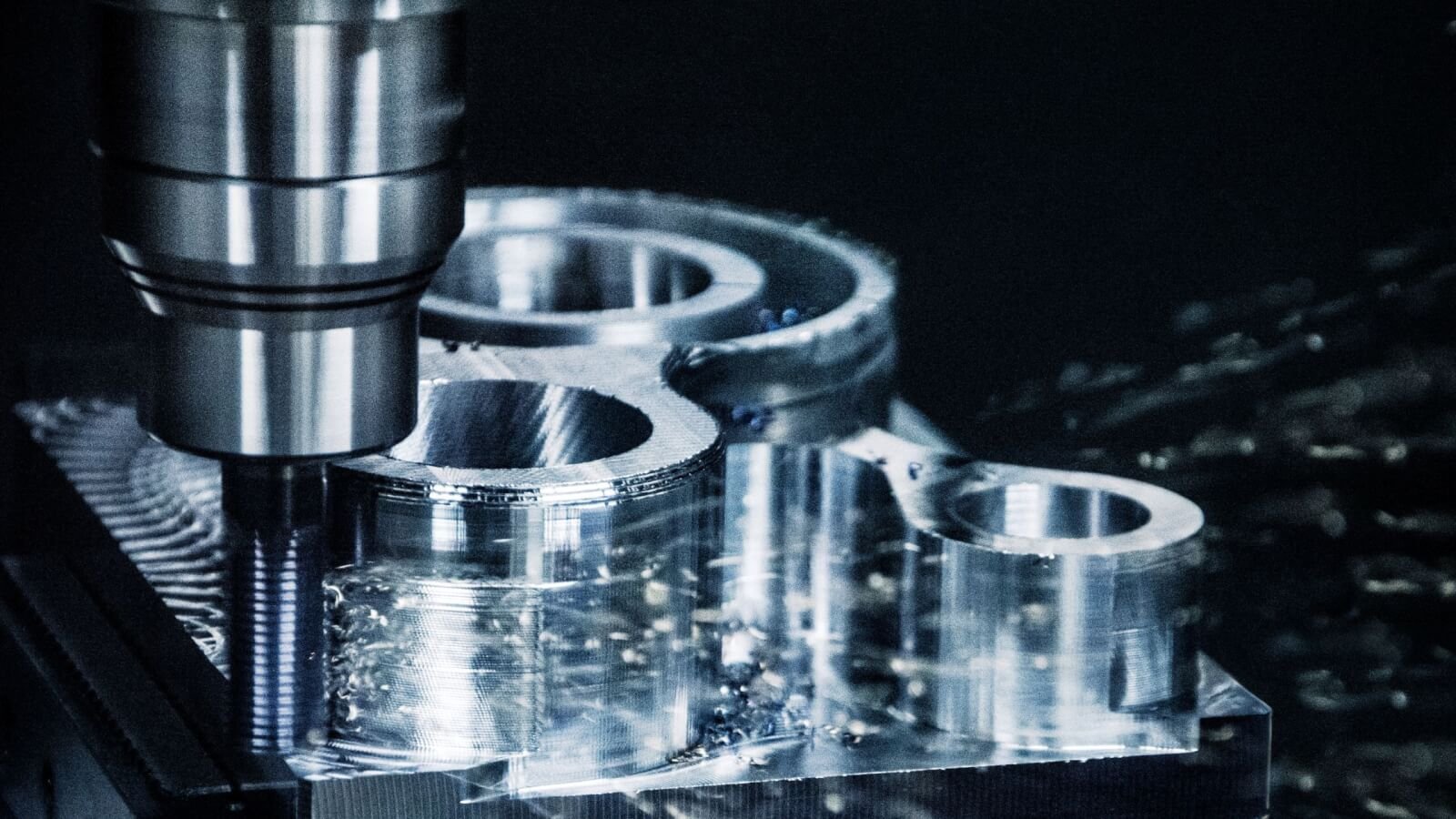
What is Casting? Casting is a manufacturing process used to make parts by pouring a liquid material, usually metal, into a mold shaped like the final product. Once the material cools and hardens, it takes on the exact shape of the mold. The solid piece, known as a casting, is then removed and may be cleaned or finished to improve its appearance and performance. This method is especially useful for creating complex or detailed shapes that would be difficult or too costly to make using other manufacturing techniques. Casting is a basic but important process that has been used for thousands of years and continues to be widely used today due to its flexibility and cost-effectiveness. The process starts by making a model of the desired object, called a pattern. This pattern is used to form a mold, which is a hollow space in the shape of the final product. Molds can be made from materials like sand, metal, or ceramic, depending on the type of casting being done. After the mold is ready, the chosen material is melted and poured into the mold cavity. As the liquid material cools, it solidifies and takes the shape of the mold. The mold is then removed, and the casting may go through extra steps like trimming, polishing, or machining to meet specific requirements. Casting is widely used in industries such as automotive, aerospace, construction, and machinery manufacturing. It’s ideal for producing parts like engine blocks, machine housings, pipes, and turbine blades. There are several casting methods, including sand casting, die casting, investment casting, and centrifugal casting, each suited to different needs. Why Casting is used ? Another key benefit of casting is its ability to produce large and heavy components such as engine blocks, machine frames, and industrial machinery parts. These types of products often need strong and durable materials like steel or iron, which are well-suited for casting processes. Casting is also highly adaptable, allowing manufacturers to produce anything from single, custom-made items to high-volume production runs, depending on the requirement. In addition to its size versatility, casting supports a broad range of materials. Metals such as aluminum, copper, bronze, and even some types of plastics can be used, giving manufacturers the flexibility to choose materials based on factors like strength, cost, and performance needs. Casting also offers production efficiency by reducing the need for extensive machining or assembly work, such as welding. Since the liquid material takes the exact shape of the mold, there is less waste and fewer additional processes required to finish the part. This not only saves time and labor but also makes casting a more economical and resource-efficient manufacturing method. How Casting is Done ? Casting is a commonly used manufacturing technique where a material, usually metal, is melted and poured into a mold that has the shape of the desired part. When the material cools and hardens, it takes the shape of the mold, creating the final product. The casting process involves several important steps, each of which plays a crucial role in producing accurate and quality parts. 1. Pattern MakingThe first step is to create a pattern, which is an exact replica of the part to be made. This pattern is used to shape the mold cavity. Patterns can be made from materials such as wood, plastic, metal, or wax, depending on the casting method and the level of detail required. Sometimes the pattern is made in multiple pieces to make removing it from the mold easier. It’s also designed to account for metal shrinkage and machining allowances so the finished part meets the required dimensions. 2. Mold MakingNext, the pattern is used to form the mold. The mold contains a hollow cavity shaped exactly like the final product. There are various types of molds, including sand molds (most common and inexpensive), metal molds (used in die casting), and ceramic molds (used in investment casting). The mold also has channels—called the sprue, runners, and gates—that allow molten metal to flow smoothly into the cavity. 3. Melting the MaterialThe metal or other chosen material is melted in a furnace. The type of furnace depends on the metal and production scale. It’s important to heat the metal to the correct temperature so it flows well and fills every detail of the mold. Any impurities are usually removed during this stage to ensure a good-quality casting. 4. PouringOnce molten, the metal is poured carefully into the mold through the sprue. It travels through the runners and gates into the mold cavity. Careful pouring is essential to avoid defects like air bubbles, splashing, or incomplete filling, which could weaken or deform the final product. 5. Cooling and SolidificationAfter pouring, the molten metal cools inside the mold and solidifies. The cooling time varies depending on the metal type and casting size. Proper cooling helps prevent cracks and surface defects and ensures the metal perfectly matches the mold shape. 6. Removing the CastingWhen the metal has fully hardened, the mold is opened or broken to remove the casting. For sand molds, the mold is broken apart, while permanent molds are opened and reused. The raw casting usually still has excess metal from the sprue or runners, which must be removed. 7. FinishingFinally, the casting undergoes finishing processes to improve its shape and surface. This can include trimming off excess material, grinding rough edges, machining for precise dimensions, and polishing or coating for better appearance and protection. After finishing, the part is ready for use or assembly. Overall, casting is a reliable, efficient process capable of producing a wide range of metal parts—from small, detailed pieces to large, heavy components—making it essential in many industries. Applications of Casting in Manufacturing Casting is widely used across various industries to create parts of different sizes and complexities. Common uses include: Automotive: Making engine blocks, cylinder heads, transmission cases, and brake drums. Aerospace: Producing turbine blades, engine components, and structural parts. Construction: Manufacturing pipes, valves, pumps, and heavy equipment bases. Machinery: Creating machine