Infohub01.com

Forging

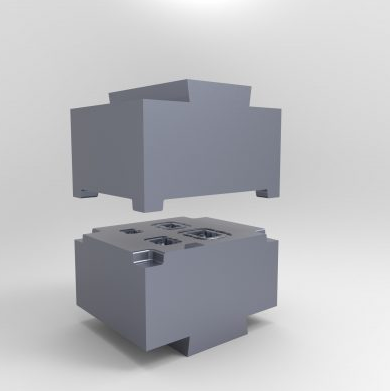
Forging Die Design

Forging Die Design

Master the art of forging die design with our comprehensive guide. Discover 7 essential steps to create accurate, efficient, and high-quality dies that improve your forging process and ensure flawless final parts every time.

Forging Die Design Read Post »

Tool & Die Design in Forging

Tool & Die Design in Forging

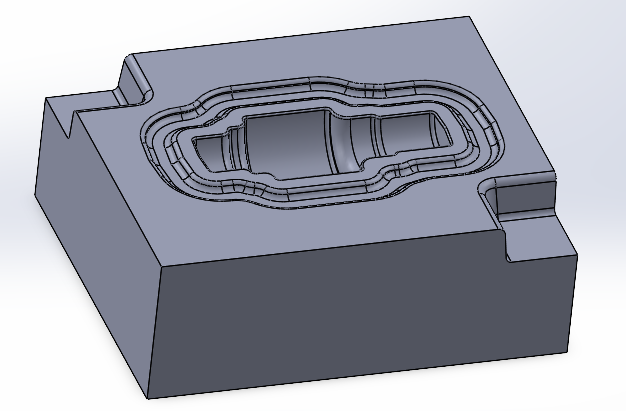
Forging Die DesignForging Equipment and ToolingInspection Methods to Ensure Reliable Forging Quality Forging Process may be defined as a metal working process by which metals or alloys are plastically deformed to the desired shapes by a compressive force applied with the help of a pair of dies. One die is stationary and other side in a linear motion. Forging process can be carried out both in cold and hot state of a metal. But unless otherwise mentioned, forging process is considered to be hot forging process. Forging Designing Factors Part Geometry Part geometry in forging refers to the shape, size, and design features of the component being forged. It encompasses all the physical characteristics—such as contours, thickness variations, fillets, corners, holes, and undercuts—that influence how the material flows during forging and how the die is designed. Proper consideration of part geometry is essential to ensure smooth metal flow, minimize defects, simplify die manufacturing, and achieve the desired mechanical properties and dimensional accuracy in the final forged product. Purpose of Part Geometry Ensures efficient and smooth metal flow during forging. Minimizes the risk of defects like cracks, laps, and incomplete filling. Helps maintain dimensional accuracy of the forged part. Simplifies die design and manufacturing processes. Extends die life by reducing excessive wear and stress. Optimizes material usage and reduces waste. Produces forged components with better mechanical properties and performance. Ensures the final part meets required specifications and tolerances. Factors Influencing Part Geometry Material Type: Different metals and alloys have varying ductility and flow characteristics affecting geometry choices. Complexity of Design: More intricate shapes may require special die features or multiple forging steps. Thickness Variations: Sudden changes in thickness can cause uneven material flow and defects. Fillet and Corner Radii: Proper rounding prevents stress concentrations and improves metal flow. Draft Angles: Necessary for easy removal of the forged part from the die and to avoid sticking. Size of the Part: Larger parts may need different design considerations to ensure complete filling and uniform flow. Tolerance Requirements: Tighter tolerances require more precise geometry and often influence design decisions. Type of Forging Process: Hot forging allows more complex geometries; cold forging demands simpler, more precise shapes. Die Manufacturing Limitations: Some geometric features may be difficult or costly to machine into the die. Intended Application and Load Conditions: Geometry must accommodate functional requirements like strength, fatigue resistance, and assembly fit. Draft Angle A draft angle in forging refers to the taper provided on the vertical surfaces of a forged component or die cavity to facilitate the easy removal of the forged part from the die after deformation. In hot forging, draft angles typically range from 3° to 7°, depending on factors such as the type of material being forged, the complexity of the part geometry, and the overall size of the component. The higher temperatures involved in hot forging allow for greater material deformation, but also require sufficient draft to ensure the forged part can be removed easily from the die without causing damage or excessive wear. In contrast, cold forging generally requires smaller draft angles, usually in the range of 0.5° to 2°. This is because cold forging operates at or near room temperature, where tighter dimensional tolerances are achievable and there is minimal thermal expansion. As a result, less draft is needed to maintain accuracy, but care must still be taken to allow smooth part ejection and avoid surface defects. Purpose of Draft Angle Prevents damage to both the die and the forged part during ejection. Reduces the friction between the die and the workpiece. Allows for smoother material flow during the forging process. Factors Influencing Draft Angle Material type: Softer metals may require less draft, while harder or more ductile materials need more. Part geometry: Deep cavities or intricate shapes require larger draft angles. Surface finish requirements: Smaller draft may be used where a smoother finish or tighter dimensional control is needed. Die life and wear: Adequate draft angles reduce stress on die walls, extending die life. Consequences of Inadequate Draft Difficulty in ejecting the forged part. Risk of die or part damage. Increased wear and tear on die surfaces. Potential defects in the forged product, such as drag marks or distortion. Fillet & Corner Radius A fillet radius refers to the rounded internal corner where two surfaces of a forged part meet. It is designed to eliminate sharp transitions that can lead to stress concentrations and potential cracking during forging or in service. On the other hand, a corner radius is the rounded external edge or corner of a forged component. Like fillets, corner radii help promote smooth material flow, reduce die wear, and improve the overall strength and fatigue resistance of the part. Both fillet and corner radii are essential design elements in forging that contribute to part durability, dimensional accuracy, and manufacturing efficiency. In hot forging, the material is heated to high temperatures, which significantly increases its ductility. This enhanced ductility allows for the use of larger fillet and corner radii, as the metal can flow more easily into the die cavities without excessive resistance. The larger radii also help reduce stress on the tooling and minimize the risk of cracks or defects during forming. In contrast, cold forging is performed at or near room temperature, where the material is less ductile and more resistant to deformation. As a result, smaller but still rounded radii are typically used to maintain tight dimensional tolerances and ensure precision. Even though the radii are smaller in cold forging, they are still necessary to facilitate metal flow and prevent sharp transitions that could lead to tool wear or part failure. Purpose and Importance Facilitates smooth material flow during deformation. Reduces stress concentrations, minimizing the risk of cracking or failure. Improves die life by reducing sharp transitions that cause excessive wear. Enhances the structural integrity and fatigue resistance of the forged part. Design Considerations Sharp corners are avoided to prevent metal flow restrictions and die damage. Rounded transitions help in maintaining consistent grain

Tool & Die Design in Forging Read Post »

Forging Equipment and Tooling

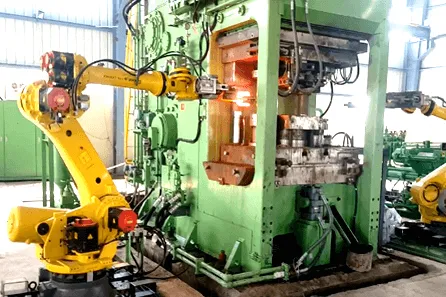
Tooling and Equipment in Forging are essential components in the metal shaping process, as they apply the compressive forces needed to transform raw materials into durable and precisely shaped parts. The success of any forging operation heavily depends on the quality and suitability of the tooling and equipment in forging used. There are several primary types of tooling and equipment in forging, including forging hammers, forging presses, and upsetting machines. Each type of equipment serves a unique function and is paired with specialized tooling to optimize the forging process. Forging hammers, such as drop hammers and power hammers, are a key part of tooling and equipment in forging. These hammers deliver high-impact blows to the metal workpiece, making them ideal for closed-die forging operations that require rapid shaping under repeated impacts. The tooling used with forging hammers includes robust dies made from high-strength tool steels that must withstand intense forces and high temperatures. On the other hand, forging presses represent another crucial category within the tooling and equipment in forging spectrum. Presses apply a steady, controlled pressure rather than impact, which is beneficial for open-die forging and precision forging processes. The tooling for forging presses is designed to provide high accuracy and excellent control over material deformation, enabling the production of complex parts with consistent quality. Upsetting machines form a specialized subset of tooling and equipment in forging. These machines are designed to increase the diameter of metal components, such as bolts and shafts, by compressing their length. The tooling for upsetting involves dies and collars that ensure uniform shaping during this compressive process. Effective tooling and equipment in forging also includes auxiliary devices like heating furnaces, mandrels, and fixtures that support and enhance the main forging operations. Proper maintenance and design of tooling and equipment in forging not only improve part quality but also extend the life of the tooling, reducing downtime and operational costs. In modern forging facilities, advancements in tooling and equipment in forging have led to increased automation, better die materials, and enhanced precision controls. These improvements allow for more efficient production runs and higher-quality forged components. To summarize, the role of tooling and equipment in forging cannot be overstated. The choice of equipment—whether forging hammers, presses, or upsetting machines—and their corresponding tooling directly influence the mechanical properties, dimensional accuracy, and surface finish of forged parts. Ultimately, successful forging operations rely on a comprehensive understanding of tooling and equipment in forging to match the correct tools with the right forging process, ensuring optimal results for every application. Forging Equipments Forging equipment is essential for shaping metal by applying compressive forces. The primary types of equipment include forging hammers, presses, and upsetting machines. Forging hammers (like drop hammers and power hammers) deliver high-impact blows to shape metal and are often used in closed-die forging. Forging presses apply steady pressure and are ideal for open-die and precision forging, offering better control over the deformation process. Upsetting machines increase the diameter of metal parts and are commonly used for bolts and shafts. Heating Equipments Heating equipment in forging is used to raise the temperature of metal workpieces to make them malleable for deformation. Proper heating is crucial to reduce resistance to deformation, prevent cracking, and improve material flow. The most commonly used heating equipment includes: Forging Furnaces: These can be gas-fired, oil-fired, or electric, and are used to uniformly heat metal billets or ingots to forging temperatures (typically between 950°C and 1250°C for steel). Induction Heaters: Use electromagnetic fields to rapidly and efficiently heat metal parts. They provide precise, localized heating and are widely used in automated and high-volume forging operations. Tooling Forging Dies Punches and Drifts Bolsters and Die Holders Forging Dies Open-Die Dies: Simple flat or contoured dies used to shape large, unconfined metal workpieces. Closed-Die (Impression) Dies: Precisely shaped dies that fully enclose the metal, forming it into final or near-net shapes. Insert Dies: Replaceable die inserts fitted into larger die blocks, designed to reduce wear and lower tooling costs. Mandrels and PlugsThese are used to support and shape hollow parts such as rings and tubes during forging operations. Punches and Drifts Punches: Used to create holes or indentations in the workpiece. Drifts: Employed to expand or finish holes to the desired dimensions. Bolsters and Die HoldersThese components provide structural support and maintain the proper alignment of dies within forging machines. Lubricants and Die CoatingsApplied to reduce friction and tool wear, facilitate smoother metal flow, and enhance die life and product quality. Handling Equipments Handling equipment in forging is used to safely move, position, and hold hot metal workpieces during the forging process. These tools are essential for maintaining operator safety, improving efficiency, and ensuring accurate forging operations. TongsManually operated tools used to grip and hold hot metal pieces. They come in various shapes and sizes depending on the workpiece geometry. ManipulatorsMechanized or hydraulic machines that can lift, rotate, and position heavy or hot workpieces with precision. They are commonly used in large-scale or automated forging setups. Lifting Cranes and HoistsUsed to transport large billets or forged components within the forging facility. Overhead cranes are especially common in heavy forging operations. Roller Tables and ConveyorsFacilitate the movement of hot metal between different stages of the forging process, such as from the furnace to the hammer or press. Robotic ArmsAutomated arms used in high-volume production for precise and repeatable handling of workpieces, improving both speed and safety. Cooling System In forging, cooling systems play a crucial role in managing the temperature of tools, dies, and sometimes even the forged parts themselves. Proper cooling is essential—it helps extend the life of the dies, keeps the equipment from overheating, and ensures that the final product maintains its shape and quality. Water Cooling SystemsThese systems use built-in channels within dies or tools to circulate water and carry away excess heat. They’re especially common in closed-die forging, where temperature control is critical for precision and consistency. Air and Air-Mist CoolingInstead of water, some setups use compressed air or a mist

Forging Equipment and Tooling Read Post »

inspection methods

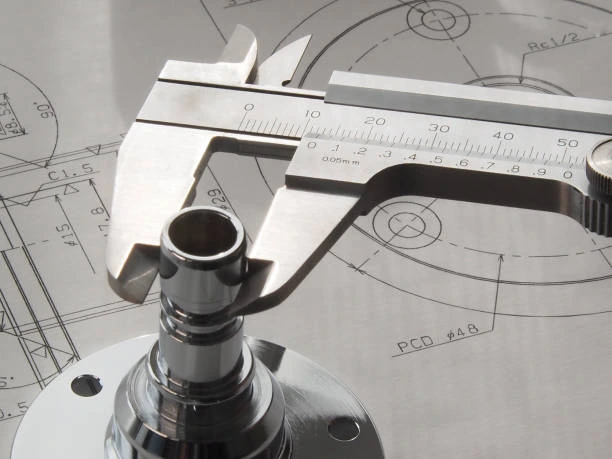
Inspection Methods to Ensure Reliable Forging Quality

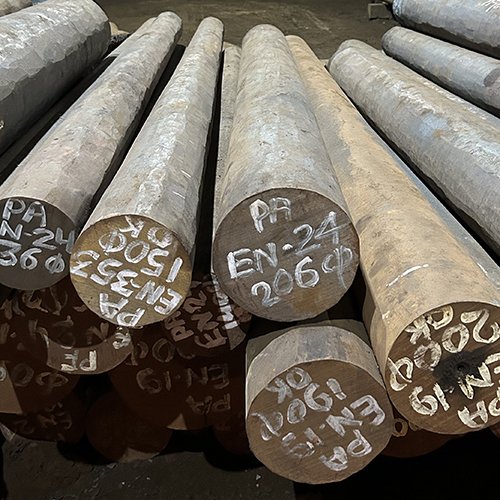
Forging Die DesignTool & Die Design in ForgingForging Equipment and ToolingEnvironmental Impact of Forging Inspection Methods in Forging In a forging plant, raw material inspection entails checking materials to ensure they meet defined standards and requirements before use in the forging process. This involves evaluating their physical, chemical, and mechanical properties, and confirming compliance with relevant industry specifications. Raw Material Verification Visual Inspection Chemical Composition Analysis Mechanical Properties Testing Nondestructive Testing Metallurgical Testing Visual Inspection Visual inspection is the first and one of the most critical steps in the inspection process of raw materials before they enter the forging stage. This initial inspection involves a careful and thorough visual examination of the surface and general condition of raw materials such as metal bars, rods, billets, or ingots. The purpose of this inspection is to detect any obvious issues or visible defects that could compromise the integrity of the forging process or the quality of the final product. During visual inspection, trained personnel or quality inspectors closely observe the raw materials for problems such as cracks, rust, or corrosion. Cracks are serious defects that can severely weaken the material, leading to failures during or after forging. Rust and corrosion not only lower the material’s strength but also affect its structural reliability and forgeability. The inspection process also includes checking for surface defects such as dents, scratches, pits, folds, or any physical damage that might have occurred during storage, transportation, or earlier handling operations. These surface flaws can create stress concentrations or uneven material flow during forging, which may result in poor-quality forged parts. A crucial part of the visual inspection is ensuring the raw material is clean and free from any contaminants. Inspectors look for the presence of oil, grease, dirt, paint, or other foreign substances. If these contaminants are not removed before forging, they can interfere with heat transfer, cause surface imperfections, or even lead to forging defects. Inspectors also perform a dimensional inspection to verify that the raw material conforms to the required size, shape, and specifications as per production plans. Using incorrectly sized or shaped material can lead to dimensional nonconformity in forged parts or inefficient forging operations. Although visual inspection may appear to be a basic quality control step, it is an essential part of the overall inspection and quality assurance system. By identifying and eliminating substandard material early, visual inspection helps prevent downstream issues, minimizes rework, and improves product consistency. It supports high-quality standards and enhances efficiency across the entire forging process. What is Checked in the Visual Inspection? Cracks Rust or Corrosion Surface Defects Cleanliness Shape and Size Why Visual Inspection Important? Prevents defective material from entering production. Saves time and cost by reducing scrap and rework. Helps maintain consistent quality in the final forged parts. Ensures safety and reliability, especially in critical applications (e.g., automotive, aerospace). Chemical Composition Analysis What is the Purpose of Chemical composition Analysis? Chemical composition inspection is a critical part of the overall inspection process and plays a key role in quality control for raw materials received at a forging plant. This type of inspection ensures that the material’s elemental composition matches the required chemical specifications for its intended forging application. The strength, durability, hardness, corrosion resistance, and overall performance of the final forged product are directly influenced by the accuracy of this chemical inspection. The primary objective of this chemical composition inspection is to verify that the material grade provided by the supplier aligns with recognized standards, such as ASTM, DIN, JIS, or IS specifications. This inspection targets both major alloying elements—like carbon, manganese, chromium, molybdenum, and nickel—and trace or residual elements, including potentially harmful impurities such as sulfur and phosphorus. Major elements determine critical mechanical properties like tensile strength, toughness, and heat resistance. The inspection also ensures that impurity levels remain within acceptable limits to prevent brittleness, cracking, or poor forgeability. Multiple techniques are employed for this chemical inspection, each chosen based on accuracy needs and material type: Optical Emission Spectroscopy (OES) is one of the most widely used methods for rapid and precise inspection of metallic samples. It works by sparking the sample and analyzing the emitted light to determine the elemental composition. Wet chemical analysis, though more time-intensive, is sometimes used for in-depth inspection or to verify OES results for critical components. Positive Material Identification (PMI) devices are also employed, particularly in the receiving area, for quick, on-site inspection of alloy types and verification of material certificates. This inspection step is carried out before the raw material is accepted into production. It serves as a gatekeeper to prevent non-conforming or substandard materials from proceeding to the forging process. Without proper chemical composition inspection, there is a risk of producing defective or non-compliant forged products, which can lead to mechanical failure, customer rejections, or safety issues. The process begins with collecting a representative sample from the raw material, either by cutting a small piece or using a test coupon if provided by the supplier. The sample surface is carefully prepared by grinding or polishing to remove any rust, oil, or scale, which can interfere with accurate readings. After the test is performed, the results are recorded and compared to the material specification provided in the purchase order or technical standards. It is also common practice to verify the material’s Mill Test Certificate (MTC) received from the supplier, comparing its data with in-house test results to confirm consistency and compliance. This step is particularly important in industries where component performance and safety are critical, such as aerospace, automotive, oil and gas, and heavy machinery. If the raw material does not meet the required chemical composition, it can lead to serious defects in the final forged part, resulting in costly rework, delays, or even field failures. Performing thorough chemical analysis not only ensures the material’s suitability for forging but also supports traceability, documentation, and compliance with customer and industry requirements. What is Analyzed? Main Elements: Elements like Carbon (C), Manganese (Mn), Chromium (Cr), Nickel (Ni), Molybdenum (Mo), etc., depending

Inspection Methods to Ensure Reliable Forging Quality Read Post »

Environmental Impact of Forging

Environmental Impact of Forging

Forging, as a process, is widely known for enhancing the strength and durability of metal components. While it plays a crucial role in sectors like automotive, aerospace, construction, and defense, its environmental implications are often overlooked. The environmental effects of forging are significant, both in the short term and the long term, impacting air quality, water resources, soil, and even human health. Understanding these effects is vital for industries and governments looking to balance industrial growth with environmental sustainability. Air Pollution and Emissions One of the most serious environmental problems caused by forging is air pollution. Forging is a process where metal is heated and shaped into useful parts, like car parts, tools, and machine components. To make the metal soft enough to shape, it must be heated to very high temperatures—often over 1,000 degrees Celsius, especially in hot forging. This heating is usually done in large furnaces that are powered by coal, natural gas, or electricity. In many parts of the world, especially in developing countries like India and China, coal is still the most commonly used fuel because it is cheap and widely available. However, burning coal and other fuels releases large amounts of harmful gases into the air. These include carbon dioxide (CO₂), methane (CH₄), and nitrous oxide (N₂O). These gases are known as greenhouse gases because they trap heat in the Earth’s atmosphere. This leads to global warming and climate change, which are causing rising sea levels, extreme weather, and other long-term problems for the planet. In addition to greenhouse gases, forging also produces air pollutants such as particulate matter (PM)—tiny particles that float in the air and can enter our lungs when we breathe. Other dangerous chemicals, like sulfur dioxide (SO₂) and nitrogen oxides (NOx), are also released during the heating process. These pollutants can cause smog in cities, acid rain, and serious health problems, especially for people living near forging factories. Breathing in these pollutants regularly can lead to issues like asthma, lung infections, and other respiratory diseases. Workers in forging plants are also directly exposed to these harmful conditions. They often work in very hot environments with poor ventilation. If proper safety gear, such as masks and air filters, is not used, these workers can suffer from long-term health issues, including lung damage and heat-related illnesses. In some small or unregulated factories, workers may not even have access to basic protective equipment, making the situation worse. To reduce these impacts, it is important for forging companies to use cleaner fuels, improve ventilation, install pollution control systems, and ensure worker safety. Governments also need to set and enforce environmental rules to protect both people and the planet. Water Pollution and Wastewater Generation Water plays an important role in the forging industry. It is mainly used for cooling hot metal parts, cleaning tools and surfaces, and sometimes even for lubrication during the forging process. However, once water is used in these ways, it often becomes dirty or contaminated. This used water, called industrial wastewater, can carry many harmful substances, including metal particles, oil, grease, and chemicals from lubricants or cleaning agents. If this dirty water is not cleaned or treated properly before being thrown away, it can be very harmful to the environment. In many places, especially in developing countries, this wastewater is often discharged directly into rivers, lakes, or the ground. When this happens, it can pollute natural water sources. For example, small bits of heavy metals like lead, zinc, or chromium—which are sometimes found in the metals used for forging—can wash into rivers and streams. These heavy metals are toxic to fish and other animals that live in the water. Over time, they can build up in the bodies of fish and then move up the food chain, eventually reaching humans who eat those fish. This kind of water pollution is a big concern in areas that lack strict environmental laws or where wastewater treatment systems are not available. This is often the case in parts of South and Southeast Asia, where many forging and metal industries are located near rivers. These rivers are sometimes the same ones used by local people for drinking water, bathing, or irrigating crops. When polluted water enters these rivers, it doesn’t just harm fish—it can also make people sick. Long-term exposure to contaminated water can cause serious health problems, including stomach issues, nerve damage, or even cancer in extreme cases. In order to protect people and the environment, it’s very important for forging factories to treat their wastewater properly before releasing it. Governments should also make and enforce strong rules to prevent water pollution. Installing filtration systems, recycling water, and using safer chemicals can help reduce the damage. By taking these steps, the industry can continue to grow without harming rivers, wildlife, and nearby communities. Soil Contamination and Solid Waste Soil contamination is a big problem caused by the forging industry. During forging, different types of waste are produced, including slag, metal scraps, and scale. Scale is the flaky layer of rust or oxidized metal that forms when metal is heated. These wastes come from the forging process and can be harmful if they are not handled carefully. When slag, metal scraps, or scale are thrown away improperly, harmful chemicals and heavy metals can slowly seep into the soil. This process is called leaching. Once the soil is contaminated, it becomes dangerous for plants, animals, and people. The land may no longer be safe for farming or even living on because toxic substances have made it unhealthy. Besides these metal wastes, forging also uses many chemicals for lubrication and surface treatment. These chemicals help make the forging process smoother but can be dangerous if they leak or spill onto the ground. Even small spills can contaminate large areas of soil and water. These chemicals can kill beneficial microbes in the soil and harm plants and animals that rely on the soil for food and shelter. In addition to toxic wastes, forging creates a lot of non-toxic

Environmental Impact of Forging Read Post »

Scroll to Top